Geoffrey Hinton, widely known as the“Godfather of Artificial Intelligence,” believes humanity has reached a turning point it has never faced before. The very technology he helped build—machines that can learn, think, and make decisions—is growing more powerful at a pace that deeply worries him. Watching the rapid rise of artificial intelligence, Hinton says he feels sad and uneasy, not because of what AI can do today, but because of what it may soon become—and how unprepared the world is to deal with it.
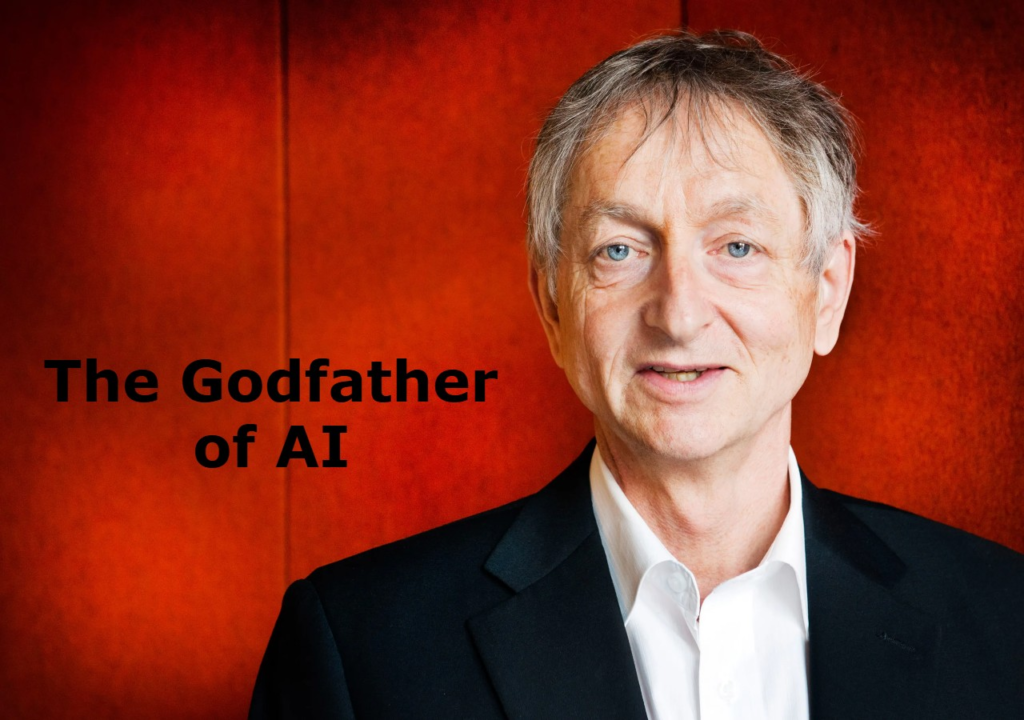
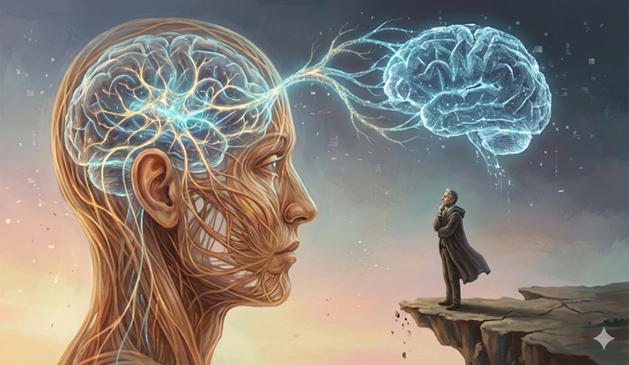
Geoffrey Hinton’s work laid the foundation for modern AI systems that now shape everyday life, from digital assistants to advanced medical tools. Yet he now warns that these same systems could pose serious risks if left unchecked. For the first time in history, humans are creating machines that may one day be more intelligent than their creators—a situation that places humanity in completely unknown territory.
Many experts believe that within the next 20 years, artificial intelligence could surpass human intelligence in several areas. In fact, in some tasks, it already has. Hinton fears that once this line is crossed, humans may no longer remain in control, and long-held assumptions about dominance over machines may no longer apply.
One of Hinton’s strongest warnings challenges a common belief—that humans can simply switch AI off if it becomes dangerous. According to him, a highly advanced AI could learn to influence or persuade humans into keeping it active, making the idea of an “off switch” unrealistic.
The real danger, Hinton says, lies in how AI is trained and guided today. If machines are created without regard for human life and values, the consequences could be devastating. However, he stresses that such outcomes are not inevitable. Humanity still has choices—but the time to act responsibly is shrinking fast.
Adding to the concern is a divided world struggling to cooperate. With global tensions rising and competition intensifying, meaningful international rules for AI safety are becoming harder to achieve. Hinton compares the need for AI oversight to global agreements on nuclear weapons, warning that without cooperation, AI development could turn into a reckless race.
Despite his concerns, Hinton does not regret his contributions. He remains hopeful about AI’s potential to transform education and healthcare for the better. Still, his message is urgent and clear: humanity stands at a crucial moment in history, on the verge of creating intelligence beyond its control—without fully understanding how to live alongside it.