
The Society You Complain About Is the One You Didn’t Build
On why giving back is a civic muscle — and why India forgot to build it. By Mohammad Shahanshah Ansari There’s a…

On why giving back is a civic muscle — and why India forgot to build it. By Mohammad Shahanshah Ansari There’s a…
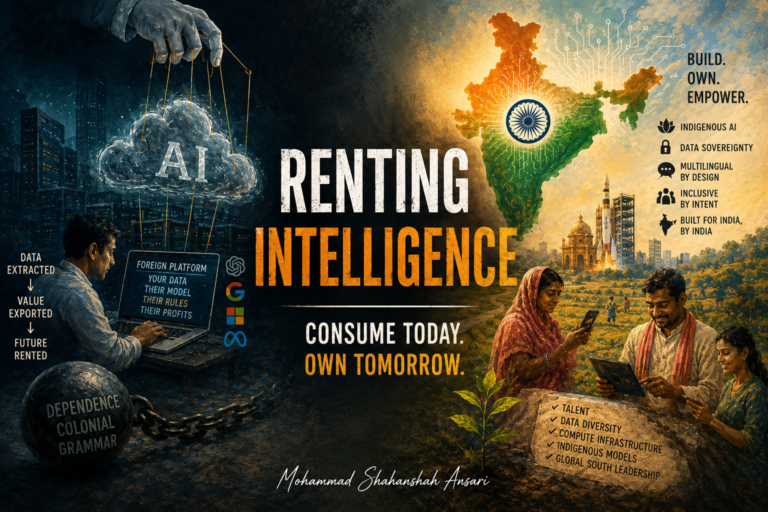
By Mohammad Shahanshah Ansari There’s a number that India’s AI cheerleaders love to quote. India is the second-largest AI consumer market in…
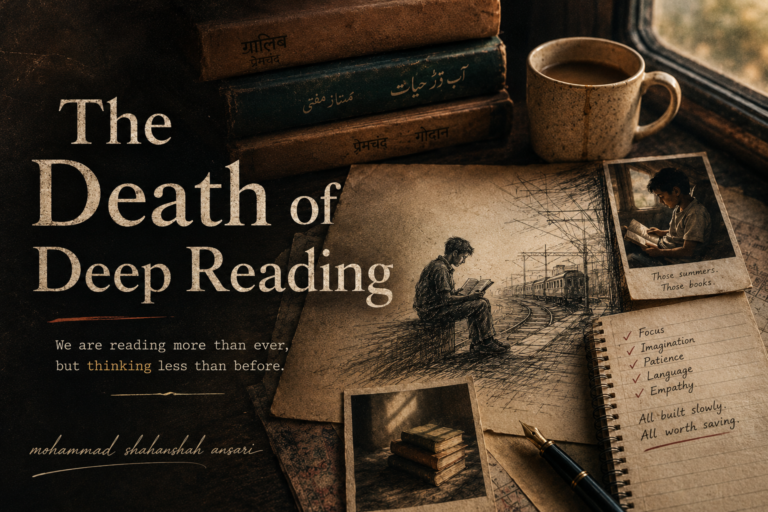
By Mohammad Shahanshah Ansari I used to read on long train journeys. The landscape outside would change slowly. With nothing but time…
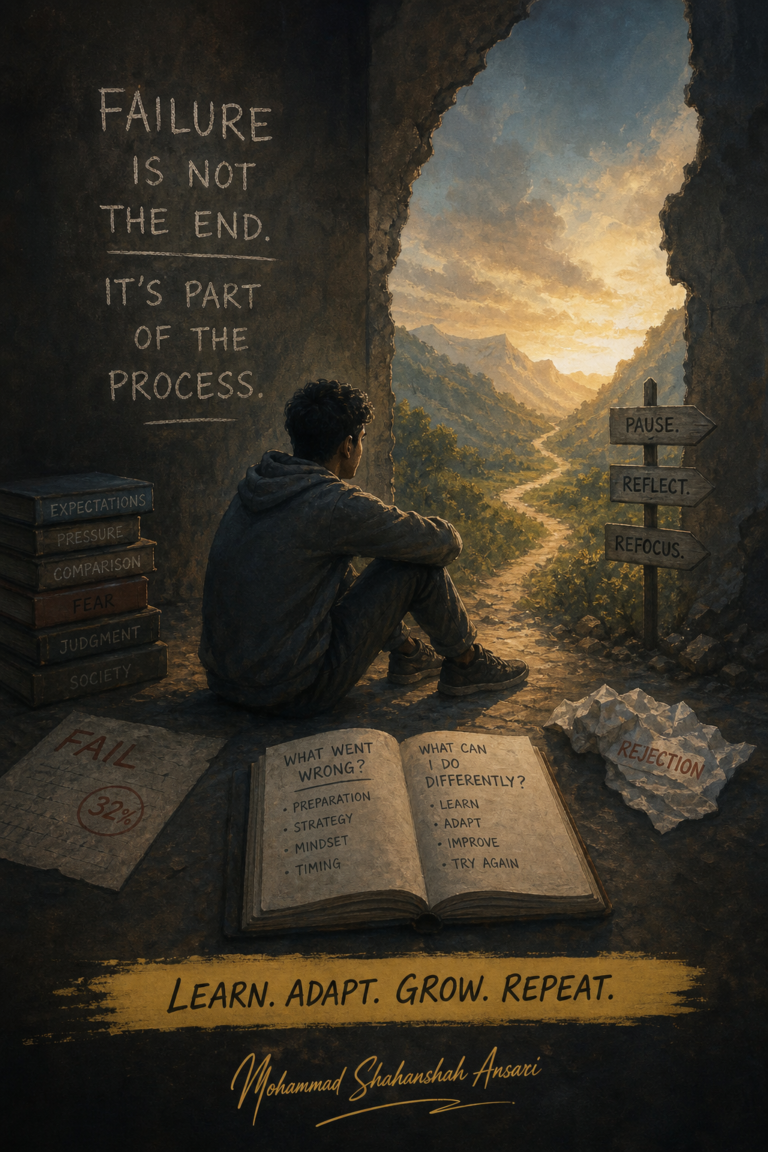
By Mohammad Shahanshah Ansari Most people have quietly lived through this moment. You worked hard—or at least believed you did. You prepared,…
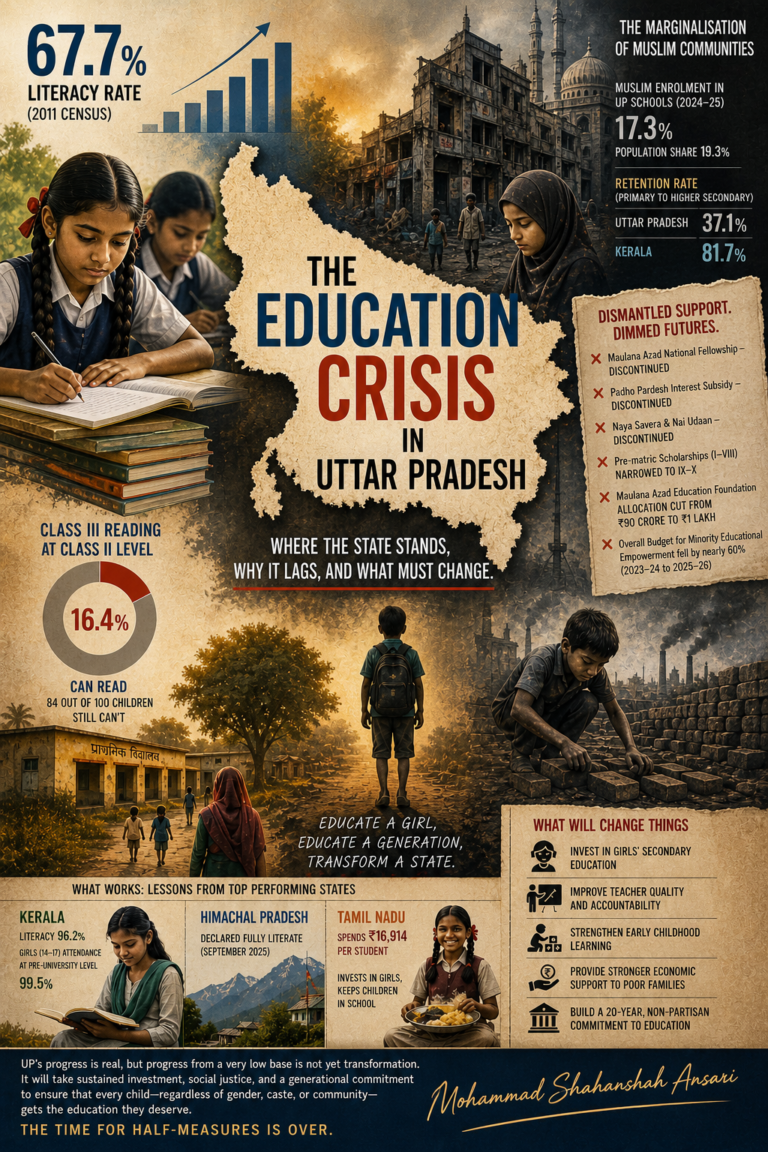
Where the State Stands, Why It Lags, and What Must Change By Mohammad Shahanshah Ansari One number sums up UP’s education challenge:…
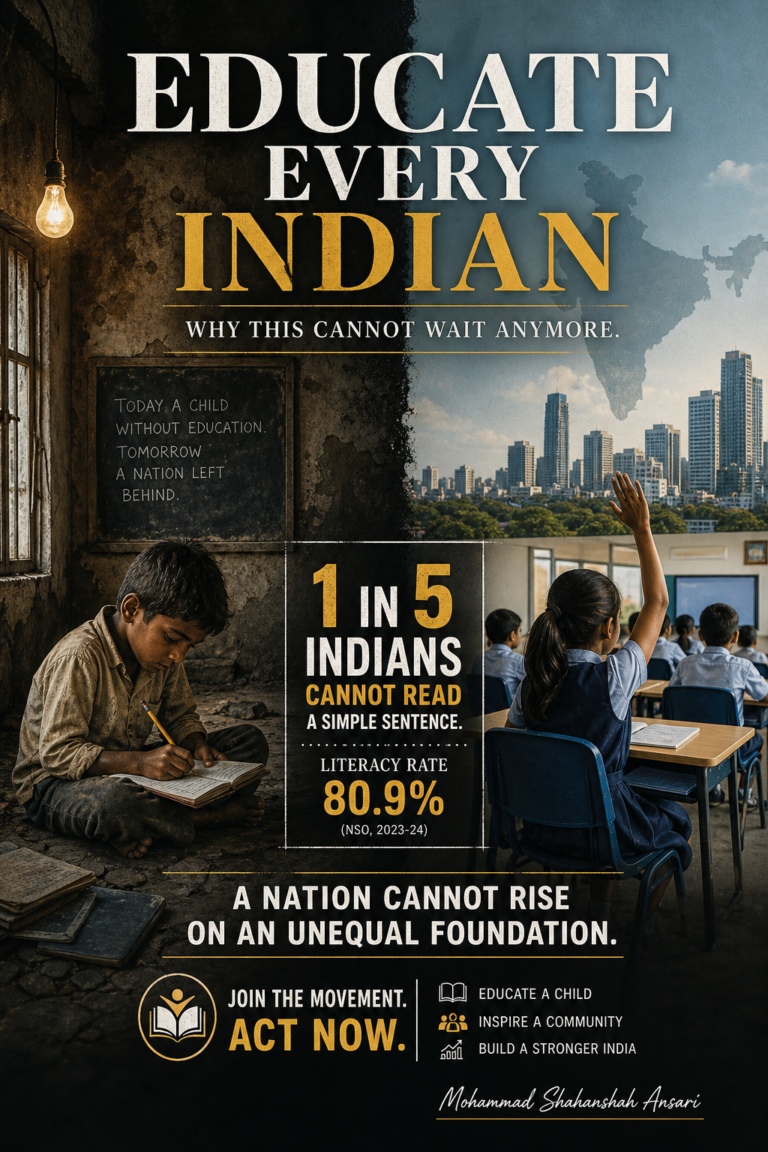
By Mohammad Shahanshah Ansari Every Indian concerned about the country’s future should consider one number: the National Statistical Office reports India’s 2023–24…
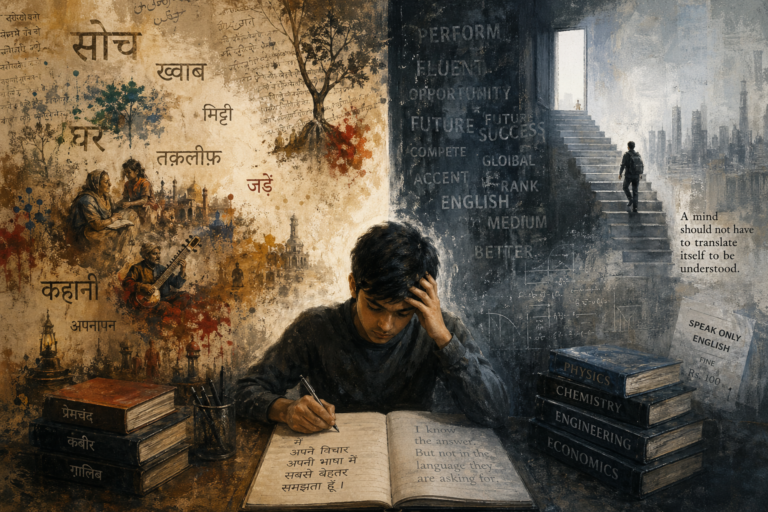
On the language we were taught to be ashamed of Indian parents often take pride when their child speaks English without an…
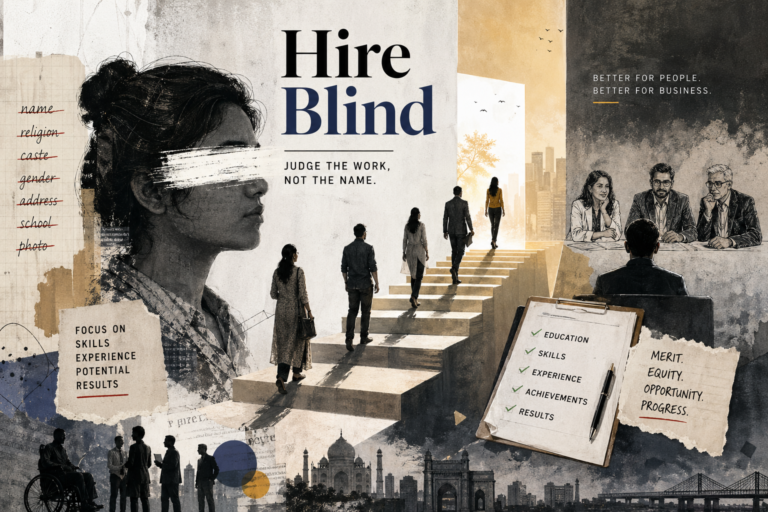
Why blind hiring matters, and why India can’t ignore it any longer Researchers at the University of Chicago sent thousands of identical…
Every few years, India announces a milestone. Literacy up. Enrollment up. New schools built, new schemes launched, new numbers released at press…
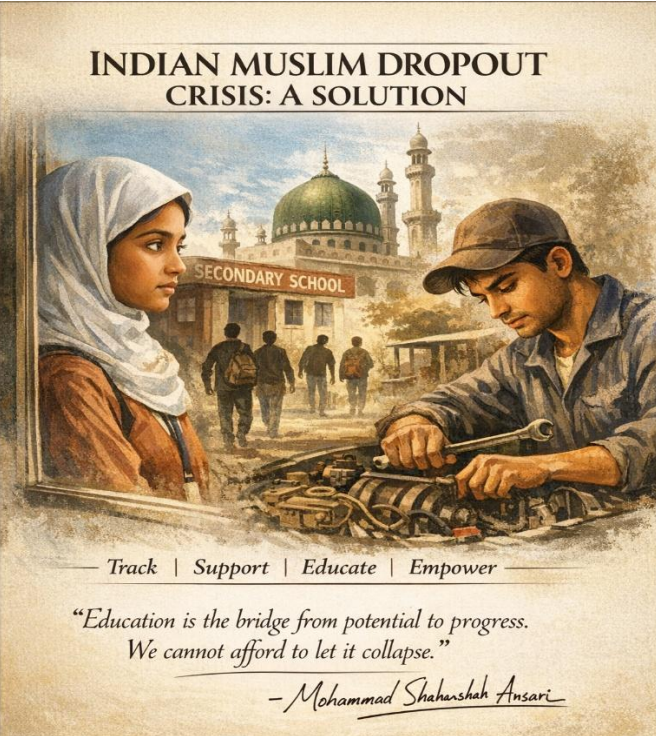
In 2026, the educational landscape for Indian Muslims faces a critical juncture. Although national discussions frequently highlight the “demographic dividend,” a substantial segment of this potential is undermined by a persistent and systemic issue: the high dropout rate among Muslim students.
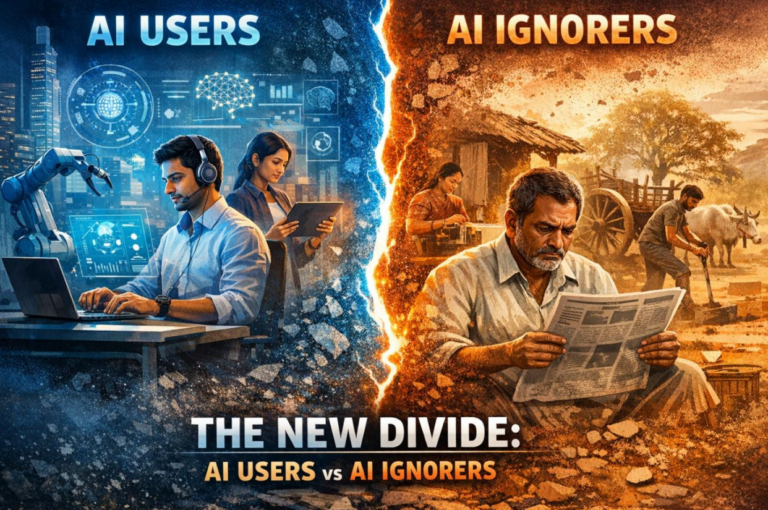
India is often described as a nation ready for transformation, driven by its youthful population, digital infrastructure, and entrepreneurial spirit. Yet, as Artificial Intelligence (AI) reshapes the global economy, a new and impactful divide is emerging within Indian society.
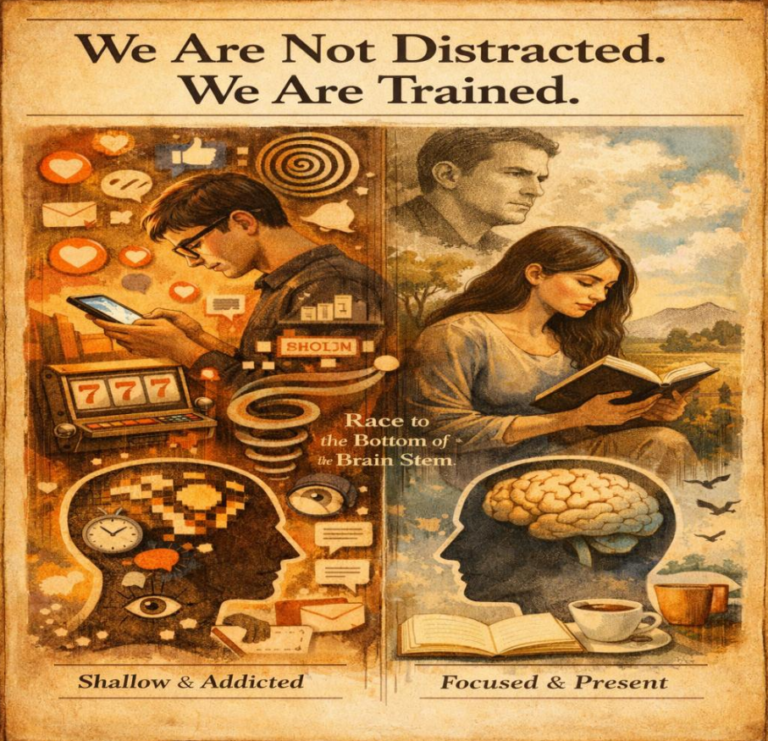
There is a word we keep using incorrectly. Distracted.
We often claim our phones, social media, and endless feeds distract us. But distraction suggests something accidental, a brief slip in focus. What’s happening to us is neither accidental nor brief. It’s been carefully designed, improved, and spread widely. The better word is trained.
We have been conditioned to act this way.
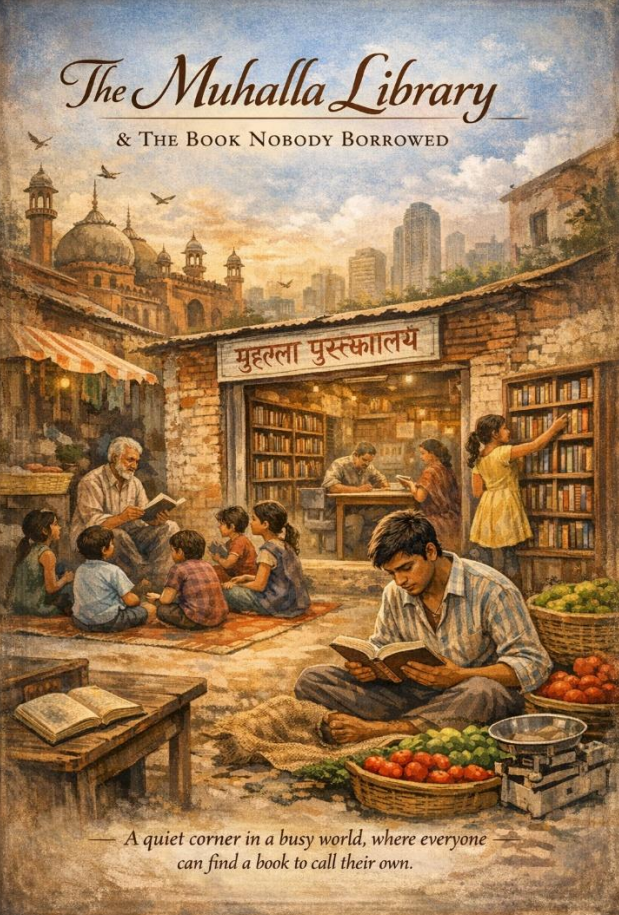
In Mirzapur, behind a small shoe shop on a street filled with the scent of vegetables and river air, a vegetable vendor spends his mornings reading. He is not scrolling on his phone or watching videos—he is simply reading. His name is Amit Sonkar, a class 12 dropout, and he says he reads not for exams or ambition but “for pleasure.” You can read his full story here. That simple statement should make every state government in India reflect on what a neighbourhood library can do for a community.
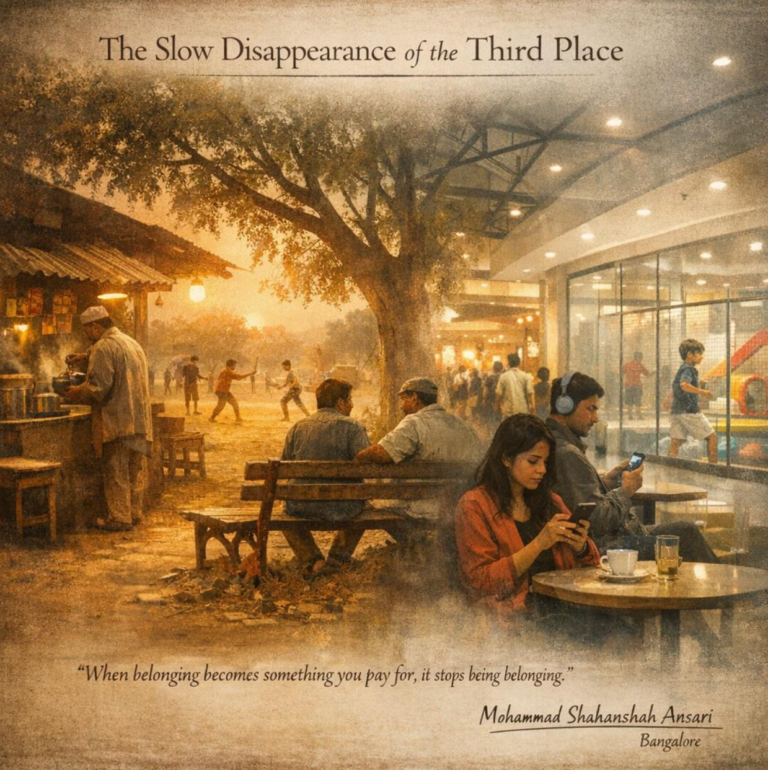
There are places you remember not because anything significant happened in them, but because of how they made you feel. A neighbourhood tea stall. A worn-out park bench under a neem tree. The old café, two lanes from your house, where the waiter never asked how long you planned to stay. These were not destinations. They were just — places. Unhurried, undemanding, open to anyone who walked in. Most of them are gone now. Or going. And we have barely noticed.

Saurabh Dwivedi has pledged everything he owns to build 100 libraries in Bundelkhand.
But the real question is not about him; it is about all of us.
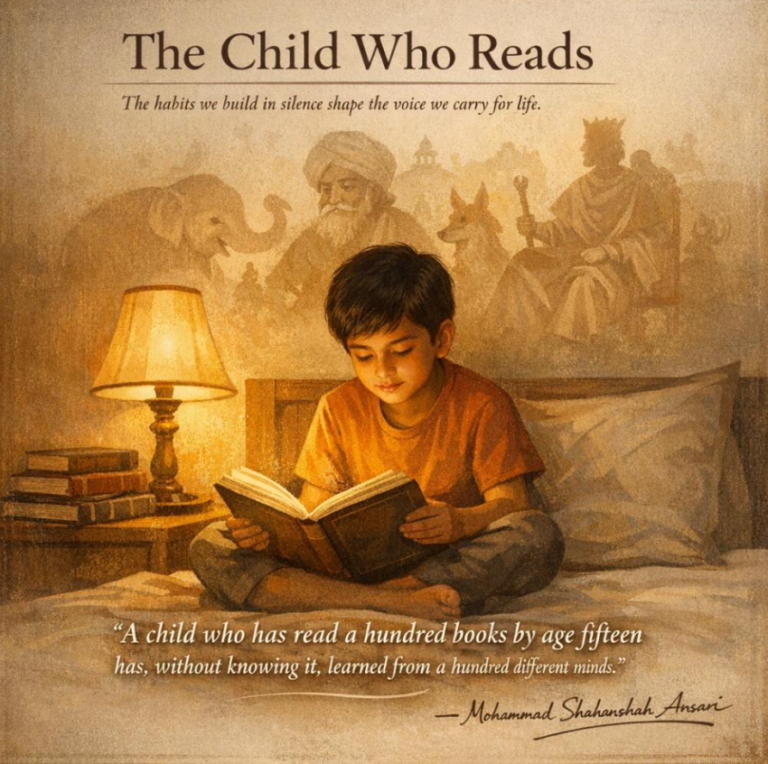
Teachers often remember a certain kind of child. It’s not always the one with the highest grades or the best memory for formulas, but the one who can speak well, make a point, hold everyone’s attention, and write a paragraph that truly means something. Usually, if you look back, that child grew up surrounded by books.
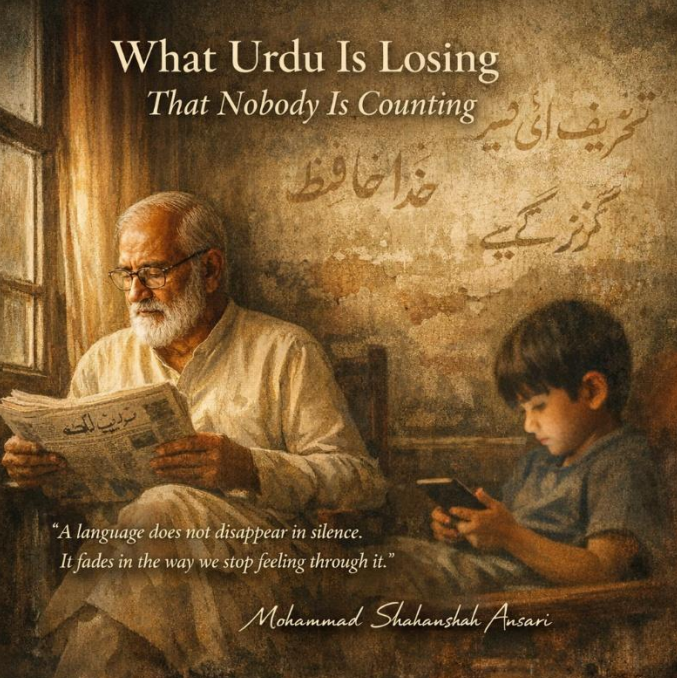
The statistics paint a bleak picture. Between 2001 and 2011, the number of Indians who listed Urdu as their mother tongue fell from 51 million to 50 million, even as the Muslim population in those areas increased. In Uttar Pradesh, which has long been a center for Urdu, only 28% of Muslims named it as their main language. The 2011 census pushed Urdu from sixth to seventh place among India’s most spoken languages, as Gujarati moved ahead. Fewer students have been enrolling in Urdu-medium schools for years. By almost every official measure, the language is shrinking.
If you visit an office, check a college WhatsApp group, or watch a teenager do homework, you’ll see a pattern. People aren’t working through problems themselves. Instead, they type questions into chat boxes, wait for answers, and copy the results, letting machines decide what to say or do next.
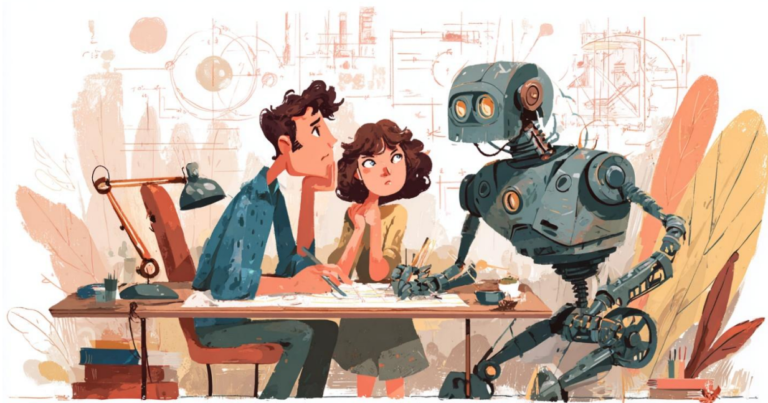
AI is rapidly changing jobs worldwide. People who do not learn AI skills are more likely to lose their jobs, have little or no pay increases, and face more unfairness, according to recent data and CEO opinions.
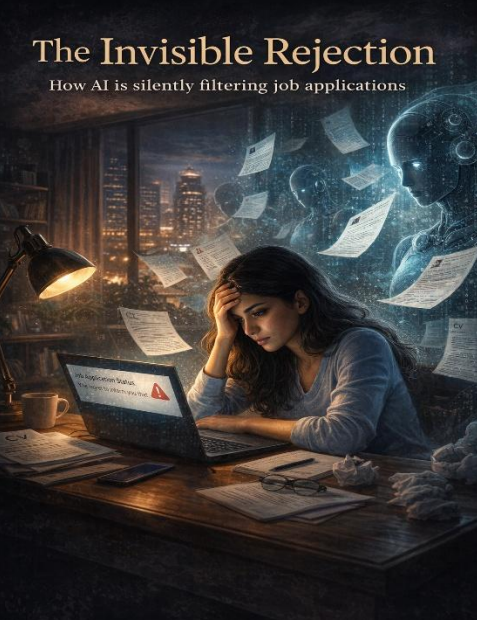
She leaned over her laptop, staring at the bright screen, unsure if she would get good news or another letdown.
Another email blinked into her inbox.
Another curt rejection.
There was no explanation or feedback. Just one short, impersonal sentence:
“We regret to inform you…”