Contextualizing a Legacy of Conviction
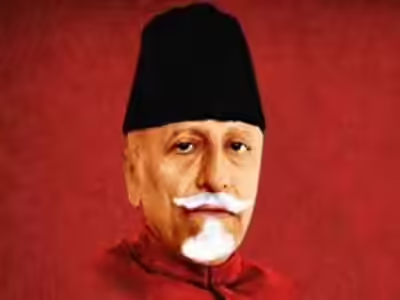
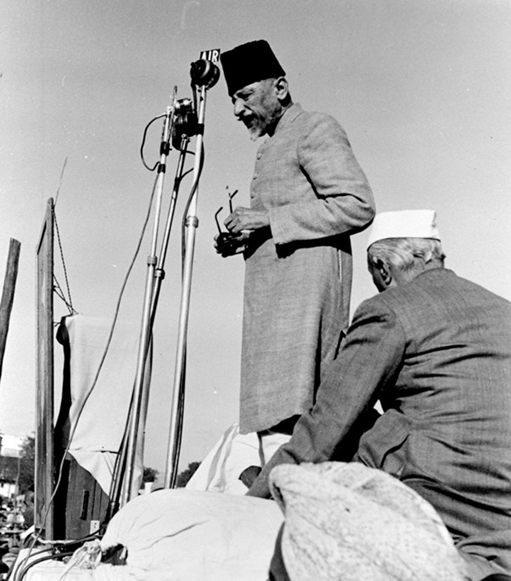
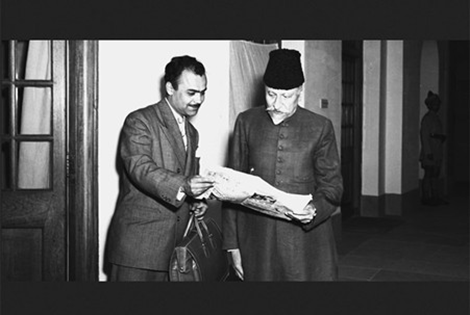
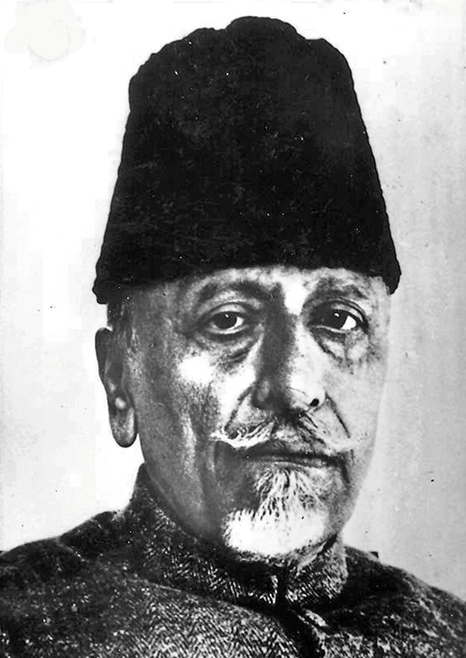
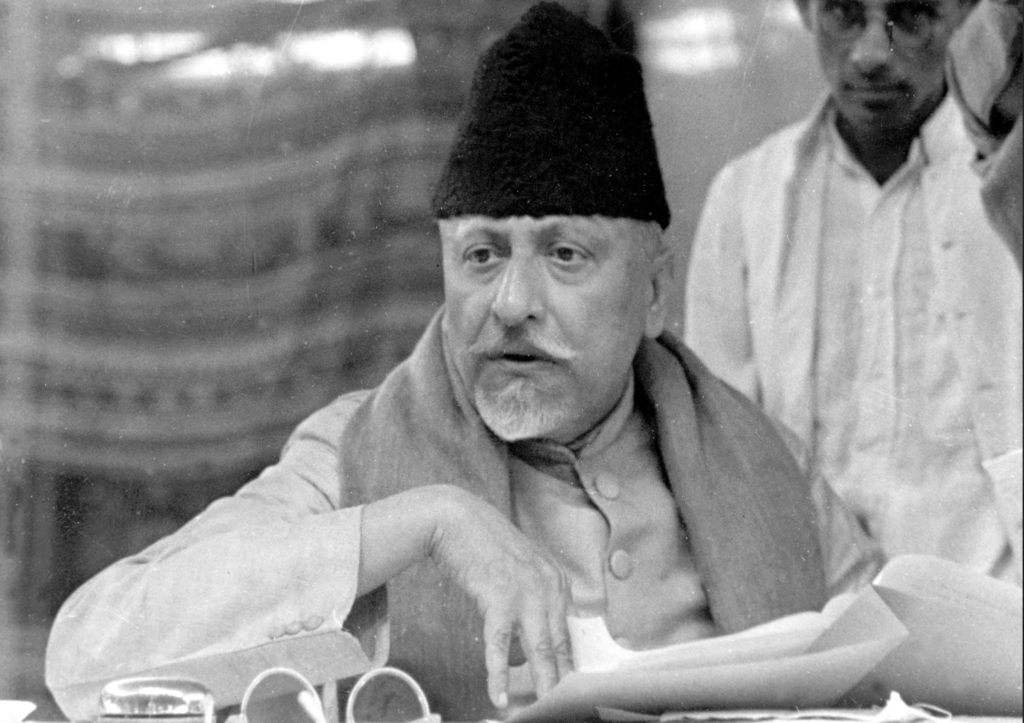
The anniversary of February 22nd serves as far more than a somber milestone on the national calendar; it is a strategic moment for profound national introspection. To reflect upon the passing of Maulana Abul Kalam Azad in 1958 is to measure the trajectory of the Indian Republic against its foundational ideals. Does the India of the twenty-first century still reflect the “conviction over comfort” that Azad modeled during the crucible of 1947? Born on November 11, 1888, and departing this life on February 22, 1958, Azad’s biographical timeline provides the framework for a narrative of intellectual awakening and systemic resilience. These images of Maulana Azad in a moment of deep reflection or addressing a public gathering, capturing the gravity of a leader who shouldered the intellectual weight of a new nation. His journey from a scholar of profound theological depth to a statesman of secular vision demonstrates a transition from historical resistance to the tangible construction of a modern sovereign state.
The Foundations of Modern Intellect: Education as Power
In the wake of colonial extraction, India faced the existential threat of systemic stagnation. Maulana Azad’s appointment as the inaugural Minister of Education was the strategic cornerstone for the nation’s post-colonial survival. He recognized that for a burgeoning democracy to endure, it required more than just political liberation; it demanded “intellectual autonomy”—the institutionalization of knowledge as a public good. He viewed the department not as a mere administrative body, but as the laboratory of the Indian future. To achieve this, he spearheaded the creation of the three pillars of the Indian state:
- The Indian Institutes of Technology (IITs) Innovation: Established to drive technical self-reliance, these institutions provided the scientific infrastructure necessary for India to compete on a global stage, shaping the dreams of millions of aspiring innovators.
- The University Grants Commission (UGC) Regulation and Standards: Formed to oversee and standardize higher education, ensuring that the quality of knowledge remained consistent and excellent across the vast geography of the republic.
- The All India Council for Technical Education (AICTE) Technical Application: Designed to coordinate technical development and bridge the gap between academic theory and the nation’s industrial imperatives. His educational philosophy was distilled into a mandate that remains the benchmark for national progress: “Education is power. Knowledge is dignity. Unity is strength. “These institutions represented a shift from the physical architecture of colonial rule to an intellectual philosophy that prioritized human capital as the state’s primary resource.
The Philosophy of Composite Nationalism
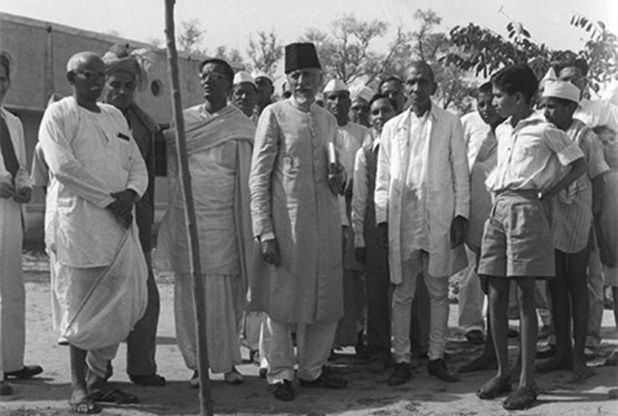
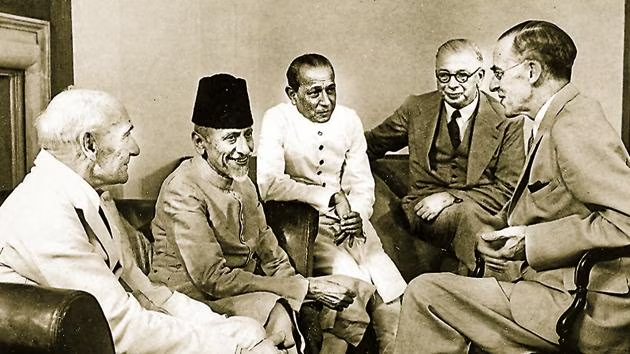
During the mid-20th century, as the “winds of division” threatened to fracture the social fabric of the subcontinent, Maulana Azad stood as a strategic bulwark for unity. He championed the concept of composite nationalism, a vision where diversity was not a precursor to fragmentation but a source of collective national vitality. Azad articulated a vision of “intertwined destinies,” arguing that the identities of Islam and India were not contradictory but were beautifully and inextricably woven together. While many sought the path of separation, Azad chose “conviction over comfort,” rejecting the simplistic binary of division. He argued that the strength of the Indian identity lay in its ability to synthesize diverse cultural currents into a singular, forward-looking purpose. This visual representing unity or a historical gathering that underscores the concept of a shared national identity and the composite struggle for independence. This political philosophy necessitates a shift from abstract idealism to a concrete ethical responsibility for every citizen to uphold the integrity of the collective whole.
A Call to Action: The Responsibility of Stakeholders
A legacy is only as potent as its relevance to the contemporary economy. To honor Maulana Azad requires a pivot toward “action over remembrance,” specifically identifying the Indian Muslim community as equal stakeholders in the nation’s advancement. This mandate is not a peripheral role but a central obligation to lead through merit and service. Azad’s life serves as a reminder that the community’s contribution must be three-fold: intellectual, ethical, and constructive. Leadership must be manifested across five critical domains:
- Education: The relentless pursuit of academic and pedagogical excellence.
- Research: Contributing original insights to the global pool of innovation.
- Entrepreneurship: Driving economic self-reliance and job creation.
- Governance: Active participation in the administrative health of the republic.
- Social Reform: Leading internal efforts to modernize and strengthen the social fabric. The Strategic Imperative: From Observers to Architects By excelling in these areas, the community shifts the narrative from being perceived as “outsiders” to being recognized as “constructive leaders.” This ensures that the community is not merely a witness to India’s progress but a primary architect of its future trajectory.
The Living Tribute: Classrooms over Graves
The ultimate tribute to a visionary like Maulana Azad is not found in symbolic gestures or flowers placed at his grave near the Jama Masjid in Delhi. Instead, it is found in functional, measurable progress. We must transition from mourning a leader to manifesting his vision through a rigorous assessment of our current state. To evaluate our fidelity to his legacy, we must engage with these Reflective Queries:
- Are we investing in the intellectual infrastructure of the next generation?
- Are we building institutions that can withstand the tests of time and technology?
- Are we strengthening the bonds of national unity through inclusive progress?
- Are we preparing our youth for leadership in a globalized, digital world?
The most profound honor we can offer is a nation characterized by classrooms filled with ambition and youth filled with purpose. Maulana Azad’s legacy is not a relic of 1958; it is an ongoing movement toward excellence and unity.