
A Model for Ethical, Knowledge-Driven and Nation-Building Leadership
Leadership today is often confused with authority, visibility, or power. In reality, leadership is the ability to influence positive change, uplift others, and build systems that outlive the individual.
The world is entering an era shaped by Artificial Intelligence, data, demographic shifts, and social transformation. In such a time, leadership must evolve beyond traditional politics or corporate management. It must become purpose-driven, knowledge-led, and socially responsible.
To address this need, I propose the INSPIRE Leadership Framework — a practical model for individuals who wish to lead with integrity, impact, and long-term vision.
INSPIRE represents seven foundational pillars of transformative leadership.
I — Integrity First
Leadership begins with integrity.
A leader’s credibility is built not by speeches or promises but by consistent ethical conduct. Integrity creates trust, and trust becomes the currency of leadership.
Without integrity, influence becomes manipulation and power becomes exploitation.
Integrity-driven leaders:
- Stand by truth even when it is inconvenient
- Maintain transparency in decisions
- Prioritize public interest over personal gain
- Build institutions that function beyond personalities
Integrity is not merely a moral virtue; it is the foundation of sustainable leadership.
N — Nation Before Self
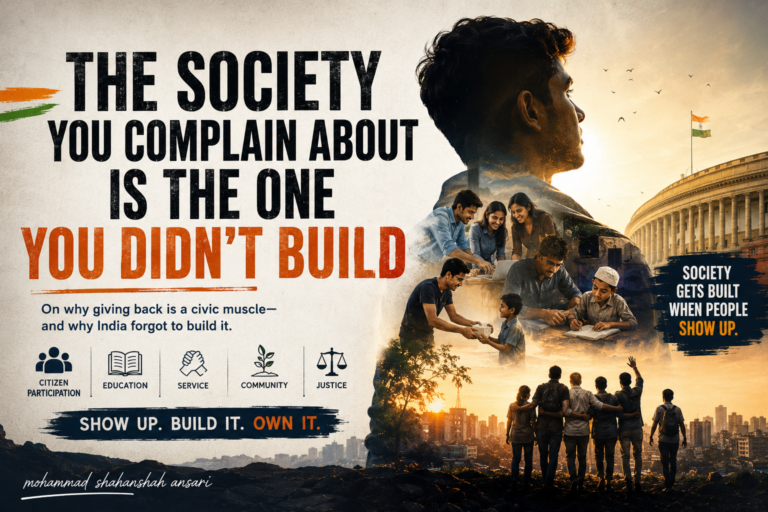
True leadership places collective progress above individual ambition.
History remembers leaders who served society, not those who served themselves.
A nation-first mindset requires leaders to focus on:
- Long-term national development
- Education and human capital
- Institutional strength
- Social harmony and inclusion
Every decision should answer one question:
Does this strengthen the nation and improve the lives of people?
S — Service-Oriented Mindset
Leadership is fundamentally an act of service.
The best leaders view themselves as custodians of responsibility rather than holders of power.
Service-oriented leadership focuses on:
- Empowering communities
- Supporting the underprivileged
- Creating opportunities for the next generation
- Building ecosystems where people can grow
The impact of leadership is measured not by how many people follow you, but by how many people rise because of you.
P — Pursuit of Knowledge
In the 21st century, knowledge is the most powerful leadership asset.
The leaders of the future must be lifelong learners who understand technology, economics, governance, and social change.
Knowledge-driven leaders:
- Read extensively
- Engage with diverse perspectives
- Study global models and best practices
- Encourage critical thinking and innovation
In a world shaped by AI and data, ignorance is no longer just a weakness—it is a liability.
I — Institutional Thinking
Great leaders do not only solve problems; they build institutions that solve problems continuously.
Institutional thinking means focusing on systems, structures, and processes rather than short-term fixes.
This includes:
- Creating sustainable organizations
- Strengthening governance frameworks
- Building leadership pipelines
- Ensuring continuity beyond individuals
When institutions become strong, societies become resilient.
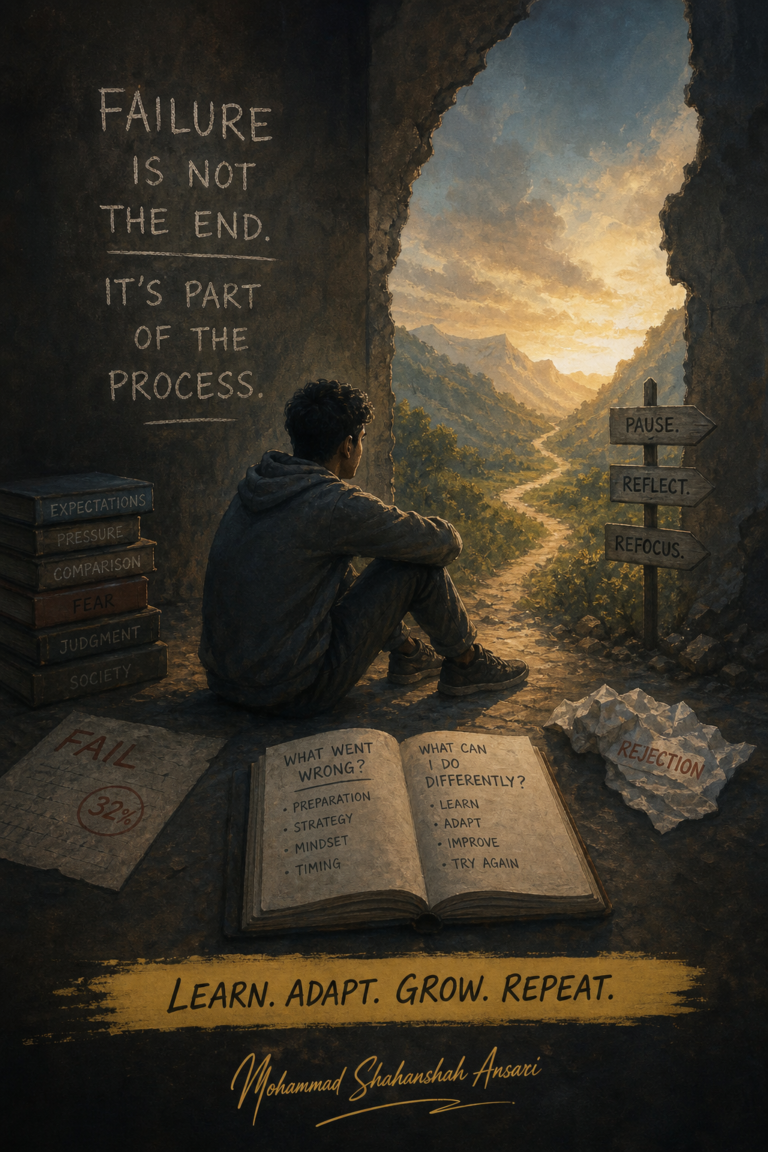
R — Resilience and Responsibility
Leadership inevitably comes with criticism, challenges, and setbacks.
Resilience allows leaders to navigate adversity while remaining focused on the larger mission.
Responsible leaders:
- Accept accountability
- Learn from failures
- Maintain composure under pressure
- Continue moving forward with determination
Progress is rarely linear. The ability to persist with responsibility separates temporary leaders from lasting ones.
E — Empowerment of Others
The ultimate goal of leadership is to create more leaders.
Empowerment transforms passive followers into active contributors.
Empowering leaders:
- Mentor young professionals
- Encourage participation in decision-making
- Promote education and skill development
- Support entrepreneurship and innovation
Leadership multiplies when people feel trusted, valued, and capable of contributing to change.
Why the INSPIRE Framework Matters Today
Humanity is entering one of the most transformative periods in history. Artificial intelligence, automation, climate challenges, and global competition are reshaping societies.
Countries that succeed in this era will be those that cultivate ethical, knowledgeable, and visionary leadership.
The INSPIRE Leadership Framework is not limited to politics or governance. It can be applied across:
- Public leadership
- Corporate leadership
- Social and community leadership
- Educational institutions
- Non-profit organizations
Its central idea is simple:
Leadership must create impact that extends beyond the individual and benefits society for generations.
A Personal Commitment
Leadership is not a title to claim but a responsibility to uphold.
Through my work in technology, education, and community development, my goal is to contribute toward building a knowledge-driven, inclusive, and empowered society.
The INSPIRE framework represents a guiding philosophy for that journey — one that encourages individuals to lead with integrity, knowledge, service, and vision.
Because the future will not be shaped by those who seek power.
It will be shaped by those who seek purpose.